
In our Impact Report, we share our journey building smallholder ecosystems in three regions — rice in East Nusa Tenggara, coffee in South Sumatra, and rice in Banyuwangi — each giving us valuable lessons. Along the way, we have seen how regenerative agriculture and nature-based solutions can strengthen smallholder farming by improving resilience, productivity, and long-term sustainability. With these insights, we are now focusing our smallholder transformation in Banyuwangi, where we believe sustainability can truly scale and endure.
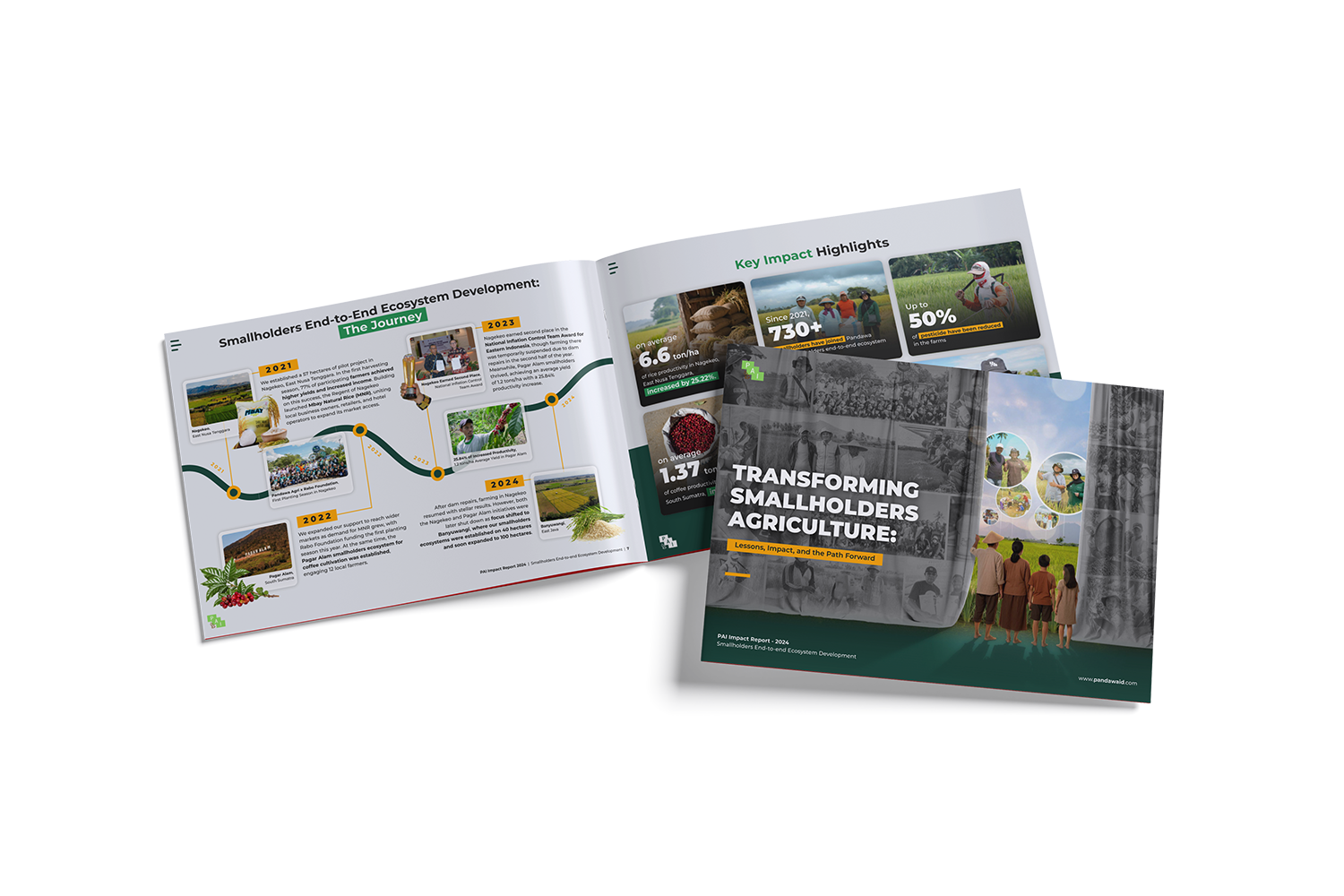
Banyuwangi, September 25 — Pandawa Agri Indonesia (PAI) is charting a new course for smallholder agriculture, anchoring its smallholders ecosystem development in Banyuwangi after years of experimentation across Indonesia. With its fertile land, strong institutional support, and farmers open to innovation, Banyuwangi has become the focal point for scaling more resilient and sustainable farming systems.
In just two planting seasons, the ecosystem in Banyuwangi has expanded from 40 to over 100 hectares, with farmers adopting PPAI Technology® consistently outperforming their peers. Even amid severe rodent infestations, participating farmers achieved stronger yields, higher revenues, and improved profits—clear evidence that science-driven, regenerative practices can build resilience against shocks while reducing reliance on chemical inputs. These results are further echoed in Pandawa Agri’s Impact Report, which shows how nature-based solutions can guide smallholder farming toward long-term sustainability.
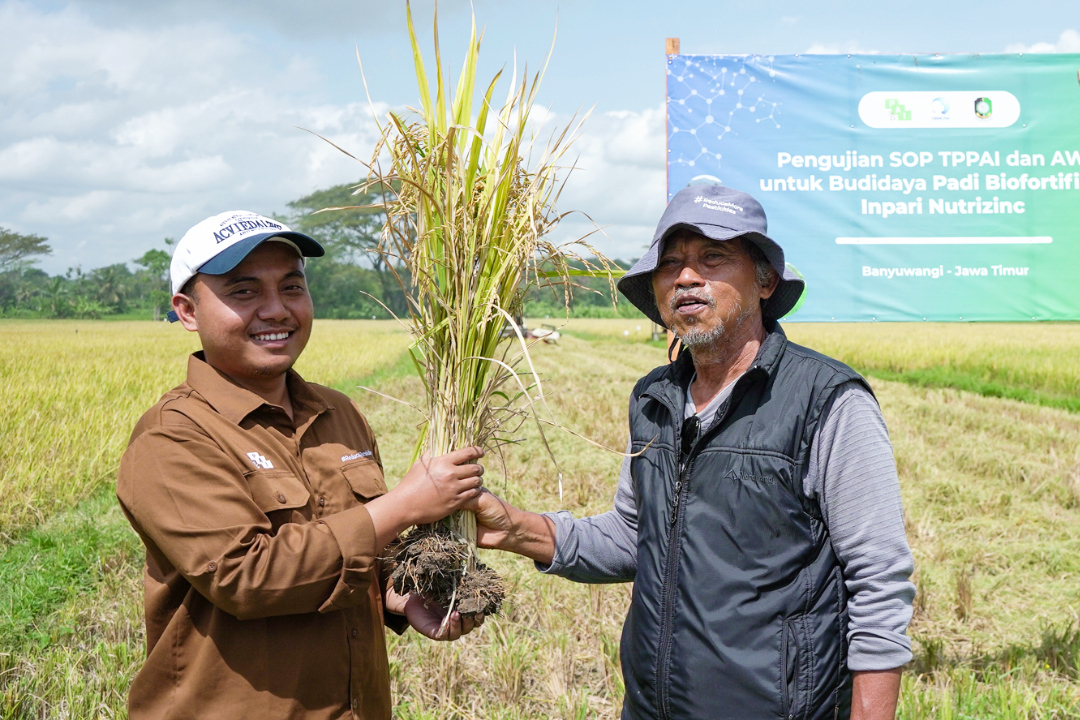
Banyuwangi is also home to PAI’s collaboration with Danone Indonesia on a nutrition-sensitive innovation: Sunwangi, a biofortified rice enriched with iron, zinc, and essential vitamins. Early harvests show promising productivity and improved nutritional value, while water-saving irrigation has cut water consumption by more than half.
Through local government programmes, over 2,000 mothers and children now benefit from access to this nutrient-rich staple. While not all farmers in Banyuwangi grow biofortified rice, the initiative highlights how sustainable agriculture can be linked directly to better community wellbeing.
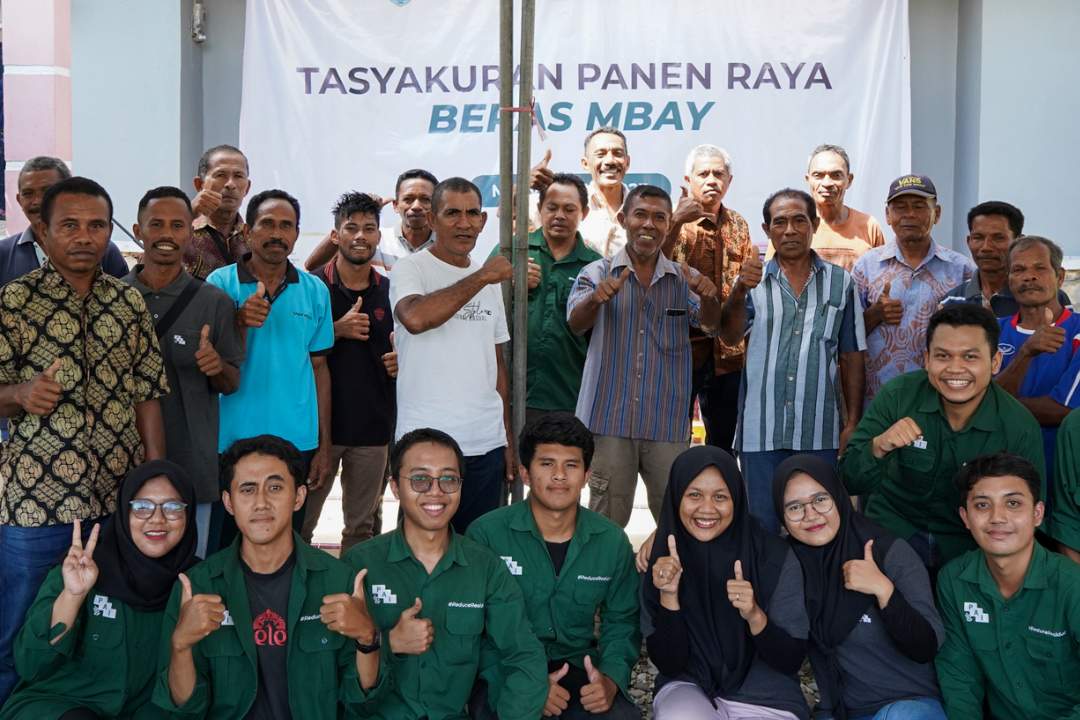
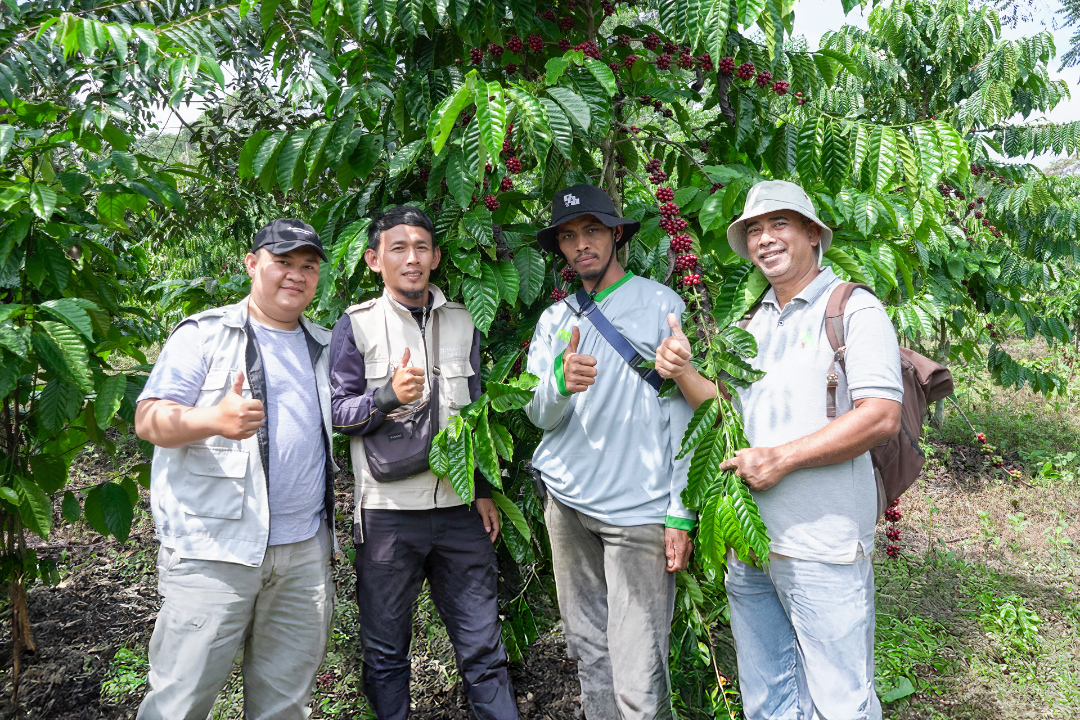
This sharper focus comes after meaningful but challenging experiences in other regions. In Nagekeo, East Nusa Tenggara, rice farmers achieved productivity gains above 25%, supported by financing from the Rabo Foundation. In Pagar Alam, South Sumatra, coffee farmers saw yields rise by 18% and profits by nearly 60%. Yet political dynamics, financing complexities, and uneven farmer participation constrained both initiatives, ultimately leading to their closure.
“The decision to concentrate on Banyuwangi was difficult but necessary,” said Kukuh Roxa, CEO of Pandawa Agri Indonesia. “Impact is only meaningful when it endures. Banyuwangi offers us the right ecosystem: fertile land, a supportive government, and farmers who are open to innovation. Here, we can show that sustainability is not only possible, but scalable.”
Among the most important lessons from Nagekeo and Pagar Alam is that smallholder transformation cannot be achieved by farmers or businesses alone. Farmers naturally focus on day-to-day livelihood security, while companies must think about long-term resilience. Bridging this gap requires stronger institutions and smarter support systems.
“As we move forward, we see the importance of bringing in partners who can align with farmers’ realities,” said Kukuh. “Foundations and financial institutions with terms tailored to the rice farmer model, agricultural insurance adapted to smallholder realities, and farmer organizations that strengthen bargaining power are all critical pieces of the puzzle. Only by combining these elements can we create farming ecosystems that are both sustainable and fair.”
As PAI deepens its roots in Banyuwangi, these lessons guide a new phase of smallholder transformation: one that integrates farmer engagement, resilient financing models, and institutional partnerships. By linking productivity, sustainability, and nutrition, PAI is demonstrating that resilient farmers and sustainable practices can grow side by side, creating lasting prosperity for both people and the planet.
About Pandawa Agri Indonesia
Pandawa Agri Indonesia is Indonesian agri life-science company and is currently the only one that has innovation in the development of pesticide-reducing products (pesticide reductants). Starting from this innovation, Pandawa Agri Indonesia is committed to helping agricultural business actors to implement agricultural practices that are sustainable, environmentally friendly, safe for users, and also cost-efficient.
For more information visit www.pandawaid.com.
For media enquiries, please contact:
Junia Anindya
Corporate Sustainability and Communications
Pandawa Agri Indonesia
junia@pandawaid.com
+62 81-351-670-869



We use cookies to give you the best experience when you visit pandawaid.com. By using our website you agree to our Terms and Conditions and Privacy Policy